Transform Your Smile: A Complete Guide to Cosmetic Dental Treatments
Aesthetic dentistry provides many possibilities for people looking to enhance their smiles. Including teeth whitening and dental veneers, these treatments cater to various aesthetic and functional concerns. Many people are unsure about which treatments may be most appropriate for them. Learning about the various services on offer can assist in making an informed decision. While considering the available options, the significance of a beautiful smile becomes more clear. What should be considered first in this transformative journey?
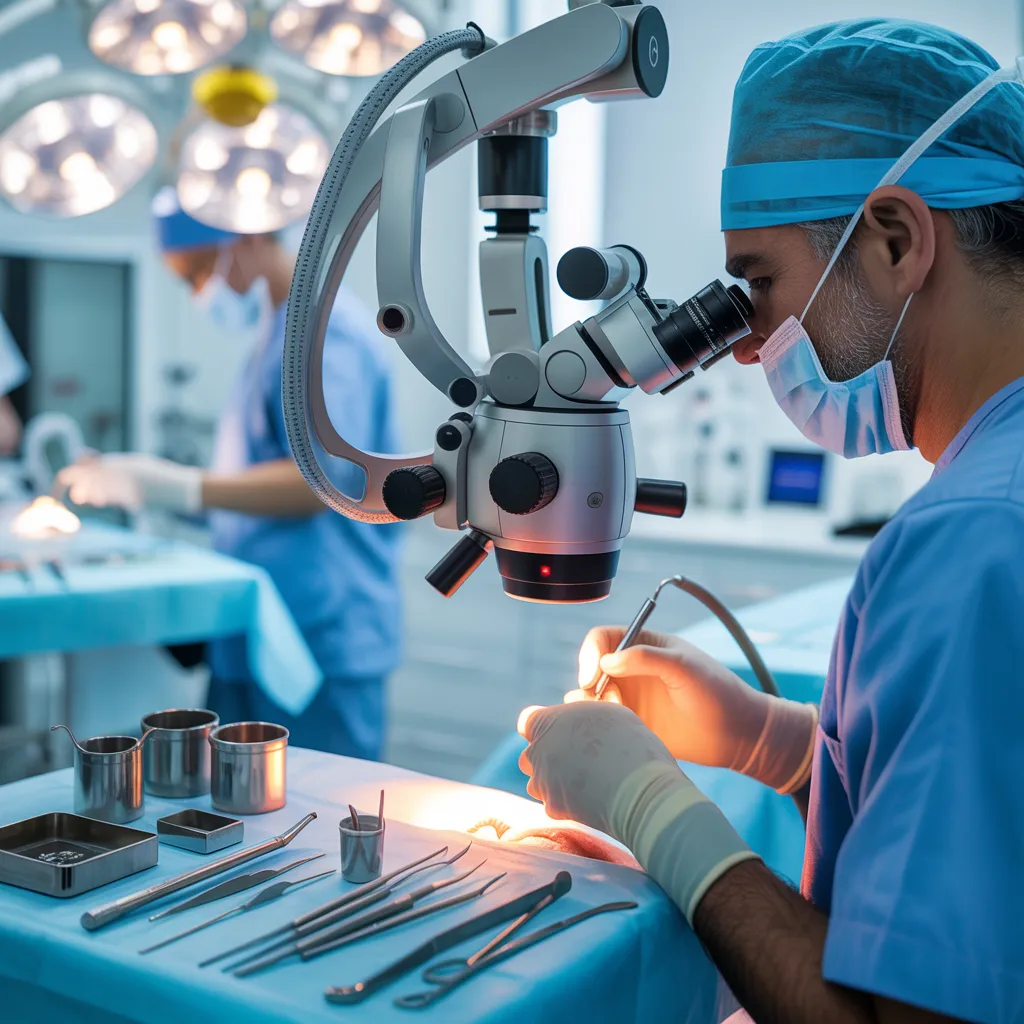
What You Need to Know About Cosmetic Dentistry
Aesthetic dental care, despite being commonly connected to visual enhancement, encompasses a range of procedures aimed at improving both appearance and function. This field of dental care tackles a number of concerns, among them uneven teeth, unwanted gaps, and weakened enamel. Numerous people turn to cosmetic procedures to elevate their self-confidence and support improved dental health.
Typical treatments consist of veneers, which conceal flaws, and dental bonding, which fixes chips or gaps. Orthodontic solutions, including invisible braces, can successfully address alignment while remaining discreet. Additionally, cosmetic dentistry may encompass gum sculpting to treat irregular gum lines, enhancing the overall smile.
It is crucial for individuals to meet with qualified professionals to review their desired outcomes and learn about the possible advantages and disadvantages of each available option. Tailored treatment approaches can ensure that the selected treatments match both appearance goals and health needs, encouraging a brighter, more self-assured smile.
Revitalize Your Smile With Teeth Whitening
Teeth whitening gives individuals a opportunity to enhance their smiles through numerous approaches. Professional whitening options provide fast and significant results, while home whitening kits provide comfort and versatility. Knowing the distinctions between these options can enable individuals to select the ideal solution for their needs.
Professional Whitening Options
A radiant smile can significantly elevate one's look and strengthen self-confidence, making professional whitening options a compelling choice for a wide audience. These services are typically delivered by dental professionals and are intended to deliver speedier, more impactful results than retail alternatives. Popular methods include in-office treatments, which use concentrated whitening agents enhanced with specialized lighting, ensuring effective stain removal in a single session. Alternatively, dental practitioners may provide personalized at-home whitening kits featuring higher-concentration formulas than standard store products. Professional whitening addresses not just deeper stains but also reduces the risk of tissue sensitivity, ensuring a more comfortable experience. In the end, investing in professional whitening can lead to a whiter, more radiant smile, showcasing the individual's personality and improving overall self-esteem.
DIY Whitening Kits
A large number of people look to improve their smiles from the convenience of their own home, turning to at-home whitening kits as a widely used and practical choice. These kits generally contain whitening strips, gels, or trays pre-filled with a whitening solution, allowing users to apply them easily during their regular day-to-day activities. The attraction stems from their cost-effectiveness and availability compared to professional treatments. However, results may vary based on the product's composition and the person's overall dental condition. Users are encouraged to carefully read instructions thoroughly to lower the chances such as enamel sensitivity or gum discomfort. For best results, consistency in use is crucial, making at-home whitening kits more info a viable option for those seeking to attain a more radiant smile without frequent dental visits.
Reach Perfection With Dental Veneers
Dental veneers provide an exceptional option for individuals seeking to enhance their smiles. This section will explore the wide range of benefits of veneers, detail the steps involved, and share vital maintenance tips for lasting results. Being aware of these factors can help individuals make informed decisions about their cosmetic dentistry options.
The Benefits Of Dental Veneers
Numerous people look for dental veneers to transform their smiles, motivated by the impressive advantages these slim shells of porcelain or composite resin offer. One of the main benefits of dental veneers is their capacity to address imperfections such as chips, spaces, and staining, resulting in a more uniform appearance. In addition, veneers are stain-resistant, enabling a radiant smile that retains its shine over time. The process is minimally intrusive, typically needing little to no modification of the natural tooth structure. Beyond that, dental veneers can boost self-esteem, providing individuals with the confidence to smile openly. Overall, the aesthetic improvements and longevity of dental veneers establish them as a preferred solution for those looking to achieve an ideal smile.
Overview Of The Procedure And Steps
Enhancing a smile with dental veneers follows a simple yet precise procedure. At the outset, a detailed consultation is carried out to understand the patient's needs and desires. Next, the dentist readies the teeth by carefully removing a thin layer of enamel to ensure an accurate fit. Molds of the teeth are created by taking impressions, which guide the crafting of the custom veneers. Short-term veneers can be applied while the final ones are being made, a process that typically spans two weeks. Once ready, the dentist bonds the veneers to the teeth using a special adhesive, assuring they align perfectly. Finally, adjustments are made to achieve maximum comfort and aesthetics. This comprehensive method delivers a remarkable transformation, significantly improving the overall look of the patient's smile.
Maintenance And Maintenance Advice
Preserving the appearance and durability of dental veneers requires consistent care and attention. Maintaining excellent oral hygiene is fundamental; individuals should clean their teeth twice a day with a mild toothpaste that is non-abrasive and floss regularly to prevent plaque buildup. Regular dental check-ups are vital for tracking the state of the veneers and resolving any concerns before they worsen. Avoiding hard foods, ice, and using teeth as tools can help avoid chipping and breakage. Moreover, people should reduce their intake of stain-causing substances such as coffee, tea, and red wine, as these substances can diminish the visual quality of the veneers. Using a mouthguard during sports or teeth grinding can also preserve the results of cosmetic dental treatment. By adhering to these recommendations, individuals can keep their veneers looking stunning and performing well for many years.
Achieve Confidence With Straight Teeth Through Orthodontics
Achieving a confident smile often begins with straight teeth, and orthodontics serves a crucial function in this process. This branch of dentistry focuses on diagnosing, preventing, and correcting misaligned teeth and jaws. A range of treatment solutions, such as conventional metal braces and clear aligners, accommodate varied needs and preferences, making certain that people can identify a treatment that complements their daily routine.
Orthodontic care goes beyond improving appearance and also benefits oral health by facilitating better tooth cleaning and decreasing the chances of developing gum disease. Moreover, well-aligned teeth can address concerns like jaw pain and unequal wear on tooth enamel.
Consultation with an orthodontist is highly important for establishing a customized treatment plan. Patients are able to discuss their choices and set realistic expectations. When all is said and done, the commitment to orthodontic treatment contributes to sustained self-assurance and improved dental health, positioning it as an important milestone in the path toward cosmetic dental care.
Quick Fixes for Minor Flaws: Dental Bonding Explained
Many individuals search for quick solutions for small dental flaws, and cosmetic dental bonding offers a convenient answer. This cosmetic procedure entails applying a tooth-colored resin to correct chips, cracks, or gaps in the teeth, successfully improving their look. The procedure is fairly straightforward and generally done in a single appointment.
A dental professional prepares the tooth by roughening its surface and using a preparatory liquid, which allows the bonding material to bond securely. Once the composite resin is applied, it is molded to complement the neighboring teeth and set in place using a dedicated UV light.
Dental bonding is not only cost-effective but also minimizes discomfort compared to more extensive procedures. When properly maintained, the effects can last for many years, making it a superb solution for individuals wanting to enhance their smile swiftly. This approach efficiently corrects small dental flaws, delivering an immediate enhancement to both confidence and overall dental aesthetics.
How to Choose the Right Cosmetic Treatment
How can someone navigate the multitude of available cosmetic dental treatments? To make an informed choice, individuals should start by evaluating their particular dental requirements. A visit to a qualified cosmetic dentist is essential, as they can share knowledge about various options based on the individual's oral health and cosmetic objectives.
Moreover, it is essential to evaluate the lasting effects and care associated with each treatment. As an illustration, professional teeth whitening may be a rapid fix, while veneers offer a more permanent improvement.
Budget considerations also play a crucial role. Knowing the financial impact of various treatment options, including potential insurance coverage, can help guide the decision-making process.
Finally, examining before-and-after photos of prior patients can be useful in determining projected outcomes. By taking these factors into account, individuals can choose a cosmetic procedure that corresponds to their personal goals as well as practical needs, resulting in a rewarding experience.
Commonly Asked Questions
Are Cosmetic Dental Services Covered by Insurance Plans?
Aesthetic dental treatments are usually excluded from insurance plans, as they are often considered elective procedures. However, coverage may vary based on the specific insurance policy and any related medical requirements tied to the treatment.
What Is the Typical Lifespan of Cosmetic Dental Treatments?
Cosmetic dental work commonly lasts from three to ten years in total, subject to the type of procedure and individual care habits. Aspects including oral hygiene, daily lifestyle choices, and consistent dental checkups can impact the duration of results.
What Are the Possible Side Effects of Cosmetic Procedures?
Common side effects associated with cosmetic procedures may include discoloration, sensitivity, swelling, and infection. Each treatment carries unique risks, and individuals should consult with professionals to gain a clear understanding of the side effects associated with their selected procedure.
Is It Possible to Combine Several Cosmetic Treatments at the Same Time?
Yes, multiple cosmetic treatments can often be combined, subject to personal circumstances and desired outcomes. Consulting with a qualified professional ensures customized guidance, minimizing risks and maximizing aesthetic outcomes for the desired transformation.
How Do I Keep Results After Cosmetic Dental Procedures?
To maintain results after cosmetic dental work, patients should maintain proper oral hygiene habits, keep up with periodic dental visits, refrain from consuming staining products, and comply with the tailored recommendations offered by their dental care provider to secure the durability of their dental work.